
Make a complex choice easier.
Translate unfamiliar information into guidance people can understand and act on.
State FarmHUMAN-CENTERED AI · PRODUCT DESIGN



01 / APPROACH
Across insurance, finance, learning, health, and operations, I explore where intelligent systems can reduce effort without taking people out of the experience.
I define the human need first, then shape the system’s role, boundaries, feedback, and handoff. Prototypes help test whether people can understand what the AI did and decide what happens next.
See the projects02 / HUMAN CONTROL
Automation is most useful when people can see what the system is doing and choose how to respond. I design for visible status, understandable options, and room to review or change direction.
In NeuroTrade, that means bringing agent activity, performance, and controls into the same experience—so automation stays approachable and in the user’s hands.
Explore NeuroTradeAI PRODUCT WORK
Explore AI-related product work across guidance, personalization, learning, health, finance, and operations. Each project page explains its scope and maturity.
CONVERSATIONAL ASSISTANCE
AGENTIC FINANCE
PERSONALIZED LEARNING
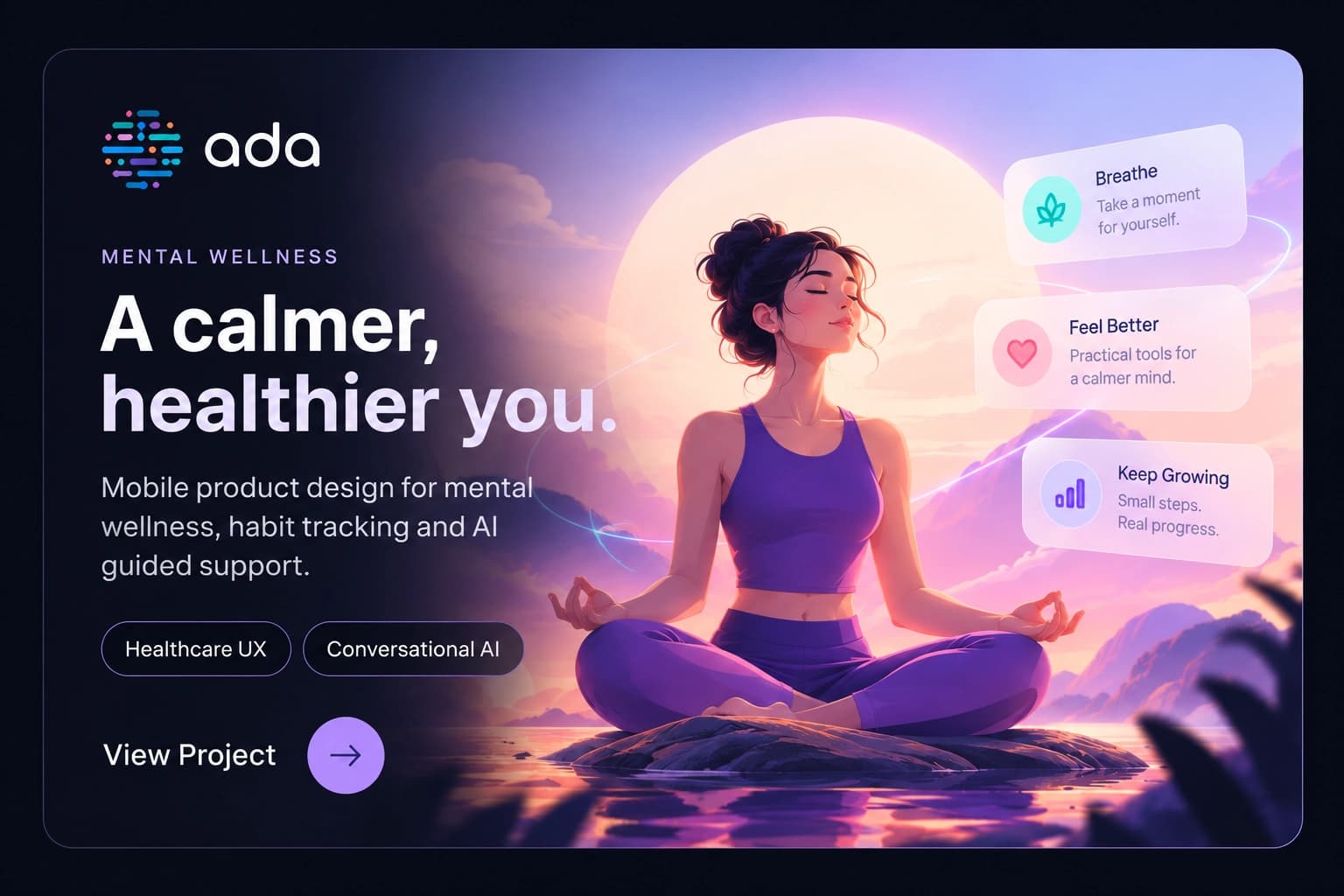
HEALTH & WELLNESS

PERSONALIZED GUIDANCE

CONVERSATIONAL AI

INTELLIGENT WORKFLOWS
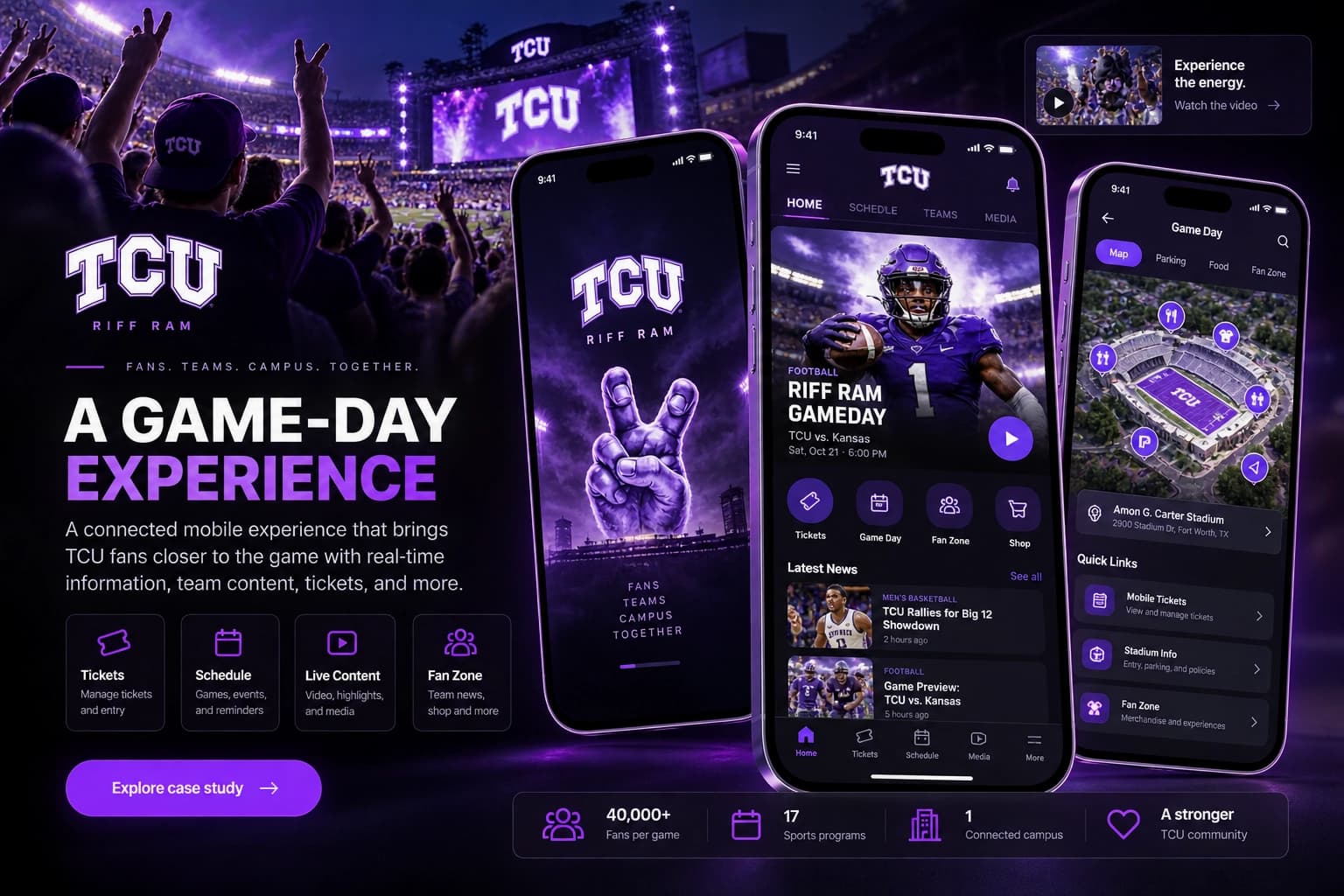
CONVERSATIONAL EXPERIENCE

AI OPERATIONS CONCEPT
Project pages distinguish delivered work, explorations, and illustrative concepts.
03 / DESIGN OPPORTUNITIES
Different contexts call for different kinds of intelligence. The experience should make the value clear and keep the person’s goal in focus.
Translate unfamiliar information into guidance people can understand and act on.
State FarmShape learning and wellbeing around a person’s needs, context, and progress.
Universal TutorMake agent activity and user controls visible in complex product experiences.
NeuroTrade04 / DESIGN PRINCIPLES
A few principles guide how I explore AI-enabled experiences.
Use plain language, useful status, and expectations people can follow.
Make it easy to review, adjust, continue, or ask for help.
Design for human judgment when context or confidence matters.
Make the experience feel relevant without obscuring how it works.
Principles for exploring responsible, understandable product experiences.